Chennai
Chennai's Flood Resilience Begins With Its Lakes, Wetlands and Waterways
Chennai's long-term flood resilience depends on drainage infrastructure, protected wetlands, careful urban planning and coordinated management of stormwater.
By BubblesEdiy News Desk · Published · Updated
Transparency: this article was written with AI assistance and published by BubblesEdiy. Found an error? See our Corrections Policy.
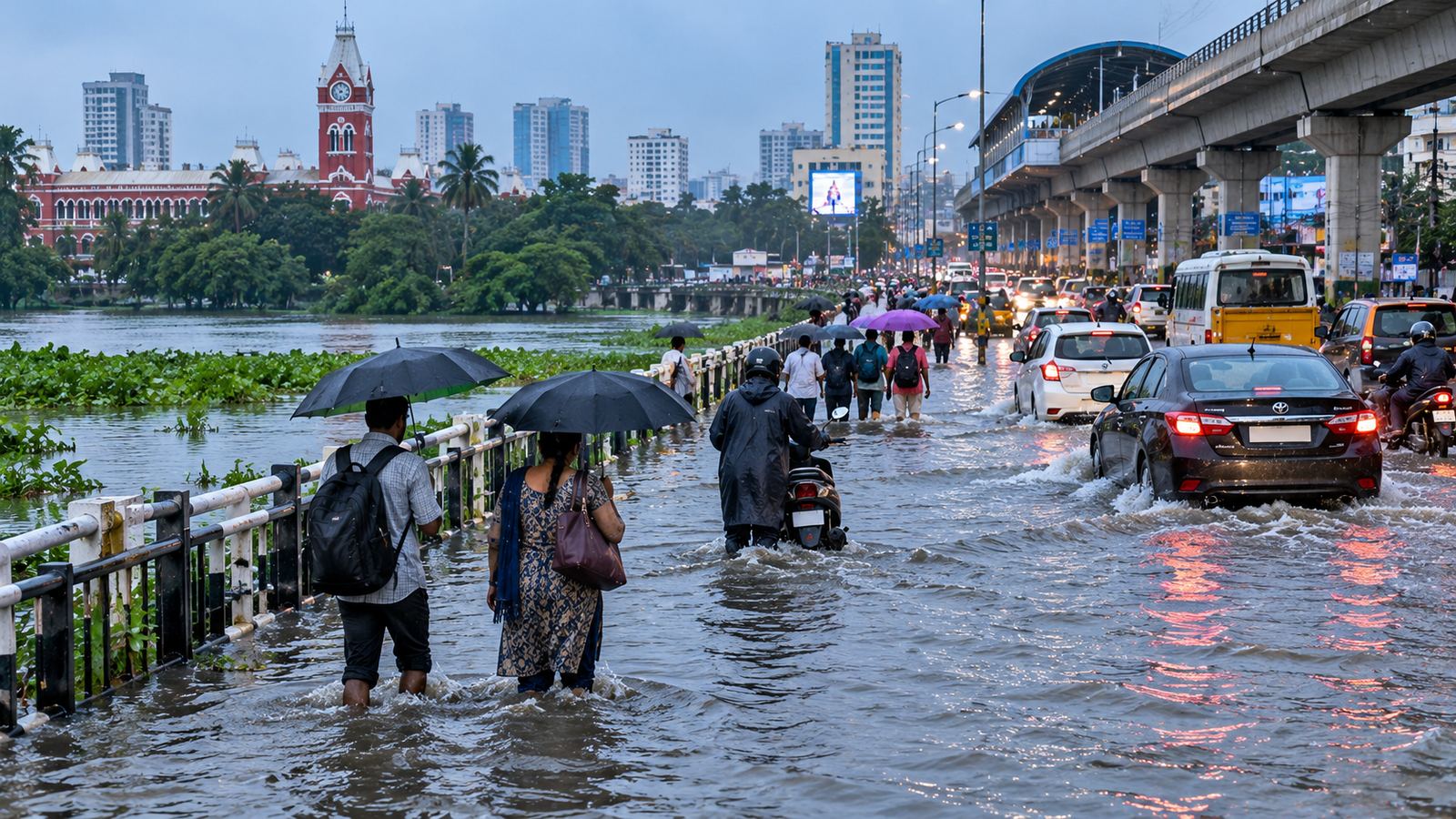
Image: BubblesEdiy photo library
Chennai's vulnerability to flooding is closely linked to its geography. Rivers, canals, lakes, wetlands and low-lying neighbourhoods form a connected landscape through which rainwater must travel. During intense rainfall, water can accumulate when drainage systems are overwhelmed or natural storage areas cannot perform their usual functions. The resulting disruption can affect homes, businesses, transport and essential services.
The India Meteorological Department provides weather forecasts and rainfall warnings, while the Greater Chennai Corporation and other public agencies have responsibilities for different aspects of drainage, infrastructure and emergency management. Effective flood planning requires coordination because water moves across neighbourhoods and administrative boundaries. Improvements in one location may have limited benefits if downstream channels remain obstructed or inadequate.
Stormwater drains are important, but they are only one part of the solution. Regular maintenance, suitable drainage capacity and reliable connections to receiving waterways help move excess water. Lakes and wetlands can also store water and support ecological functions. Pallikaranai Marsh, an important wetland in Chennai, illustrates why natural landscapes matter in a city experiencing continued development pressure.
Urban planning can influence how severe flooding becomes. Construction in vulnerable low-lying areas, the loss of permeable surfaces and changes to natural drainage paths can increase the difficulty of managing heavy rain. Mapping flood-prone locations, protecting water bodies and evaluating infrastructure projects across entire catchments can help public agencies make better-informed decisions.
Residents also have a role in reducing risk. Following official weather alerts, avoiding flooded roads, keeping drains clear of household waste and preparing essential supplies can improve safety during severe weather. Long-term progress, however, requires sustained public investment, transparent planning and maintenance rather than emergency action alone. Chennai's resilience will depend on treating rainwater as a citywide management challenge, not simply a problem to be addressed after streets begin to flood.
Credits
- Image: BubblesEdiy photo library
- Written by BubblesEdiy News Desk, with AI assistance
About the Author
The BubblesEdiy News Desk byline is used for articles prepared and published by BubblesEdiy. Some articles are drafted with AI assistance and are labelled. Author profile
Related News

Chennai air quality today (20 Oct 2026)
Chennai's air quality index is 25 (Good).
BubblesEdiy News Desk ·
Read moreChennai weather today (20 Oct 2026)
It is 26.5°C in Chennai now, with a high of 29.6°C expected today.
BubblesEdiy News Desk ·
Read more
New open-source software releases (20 Oct 2026)
1 well-known open-source projects published new versions in the last three days.
BubblesEdiy News Desk ·
Read more