Science
Cyprus: Island of Snakes, Cats, and Ophiolites
Cyprus, the Mediterranean’s third‑largest island, showcases exposed ancient ocean‑floor rock and a notable population of free‑roaming cats.
By BubblesEdiy News Desk · Published · Updated
Automatically generated summary, written with AI assistance from reporting by NASA. Read the original at the source link in Credits below. Found an error? See our Corrections Policy.

Image: Photo: NASA (from the original article) (licence page)
The island of Cyprus, ranking as the third‑largest landmass in the Mediterranean Sea, is distinguished by its geological exposure of ancient ocean‑floor material known as ophiolites. This rare outcrop offers scientists a direct view of tectonic processes that formed the region millions of years ago, and it also contributes to the island’s reputation for a diverse natural environment that includes a variety of reptiles such as snakes.
Beyond its geological significance, Cyprus is home to a large clowder of cats that freely wander towns and rural areas, adding a distinctive cultural element to the landscape. The coexistence of these cats with the island’s unique geology and wildlife underscores Cyprus’s blend of natural history and everyday life, making it a point of interest for both researchers and visitors.
Credits
- Image: Photo: NASA (from the original article) · licence page
- Source: NASA
- Written by BubblesEdiy News Desk, with AI assistance
About the Author
The BubblesEdiy News Desk byline is used for articles prepared and published by BubblesEdiy. Some articles are drafted with AI assistance and are labelled. Author profile
Related News

NASA Announces Ka‑Band Satellite Relay Awards for Space Communications
NASA selected three firms to develop Ka‑band relay concepts that can support existing spacecraft without onboard modifications.
BubblesEdiy News Desk ·
Read more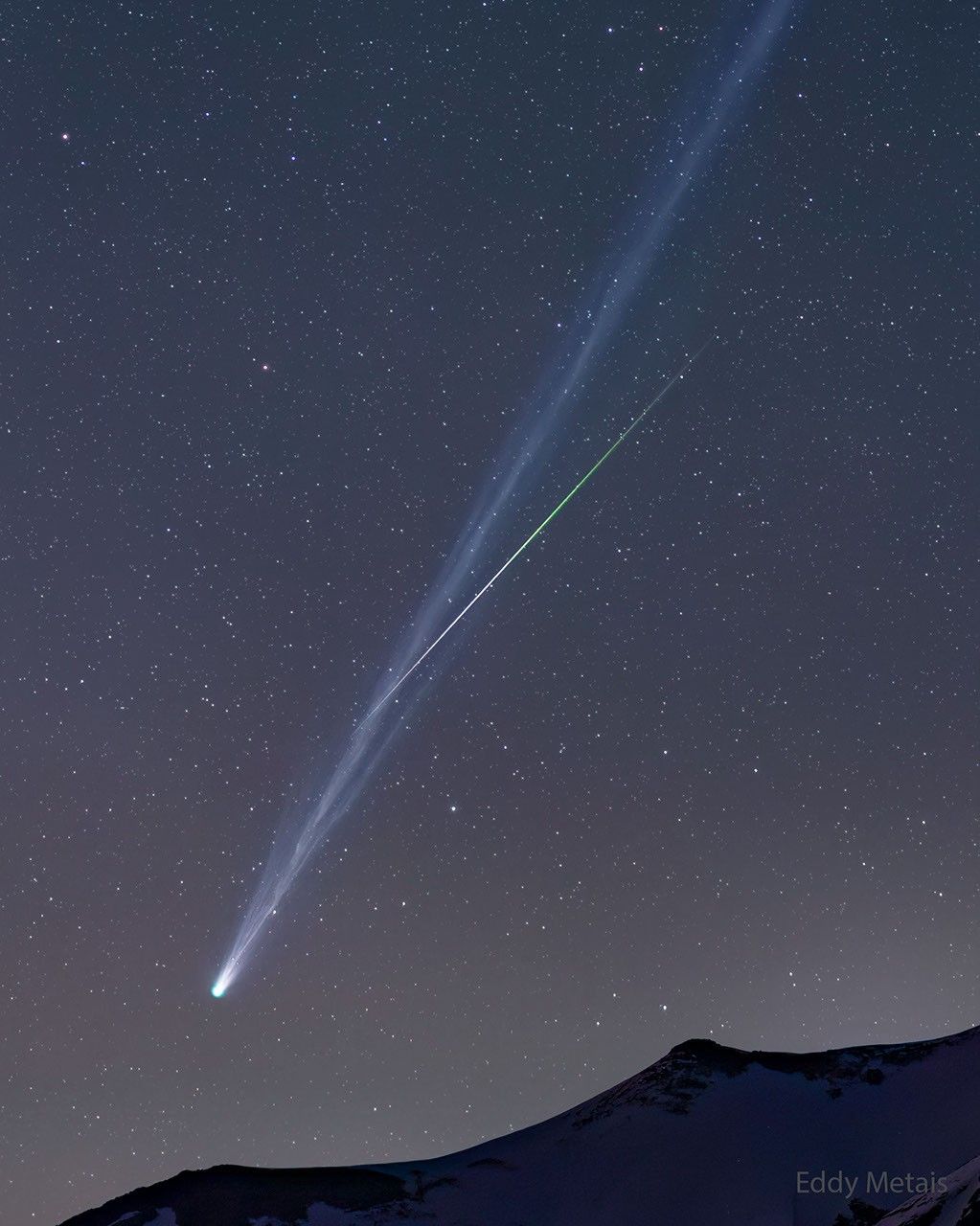
APOD Highlights Comet PanSTARRs and Rainbow Meteor on Nov 3 2026
The Astronomy Picture of the Day for November 3 2026 features an image of Comet PanSTARRs alongside a rainbow‑colored meteor.
BubblesEdiy News Desk ·
Read more
Slice of Martian Meteorite Teghaza 001
A slice of the ancient Martian meteorite Teghaza 001 was examined with reflected‑light imaging to aid age determination and mineral analysis.
BubblesEdiy News Desk ·
Read more