Tamil Nadu
Tamil Nadu's Semiconductor Ambitions Depend on More Than Factories
Tamil Nadu's manufacturing future depends on skilled workers, reliable infrastructure, research partnerships and the suppliers needed to support advanced electronics.
By BubblesEdiy News Desk · Published · Updated
Transparency: this article was written with AI assistance and published by BubblesEdiy. Found an error? See our Corrections Policy.
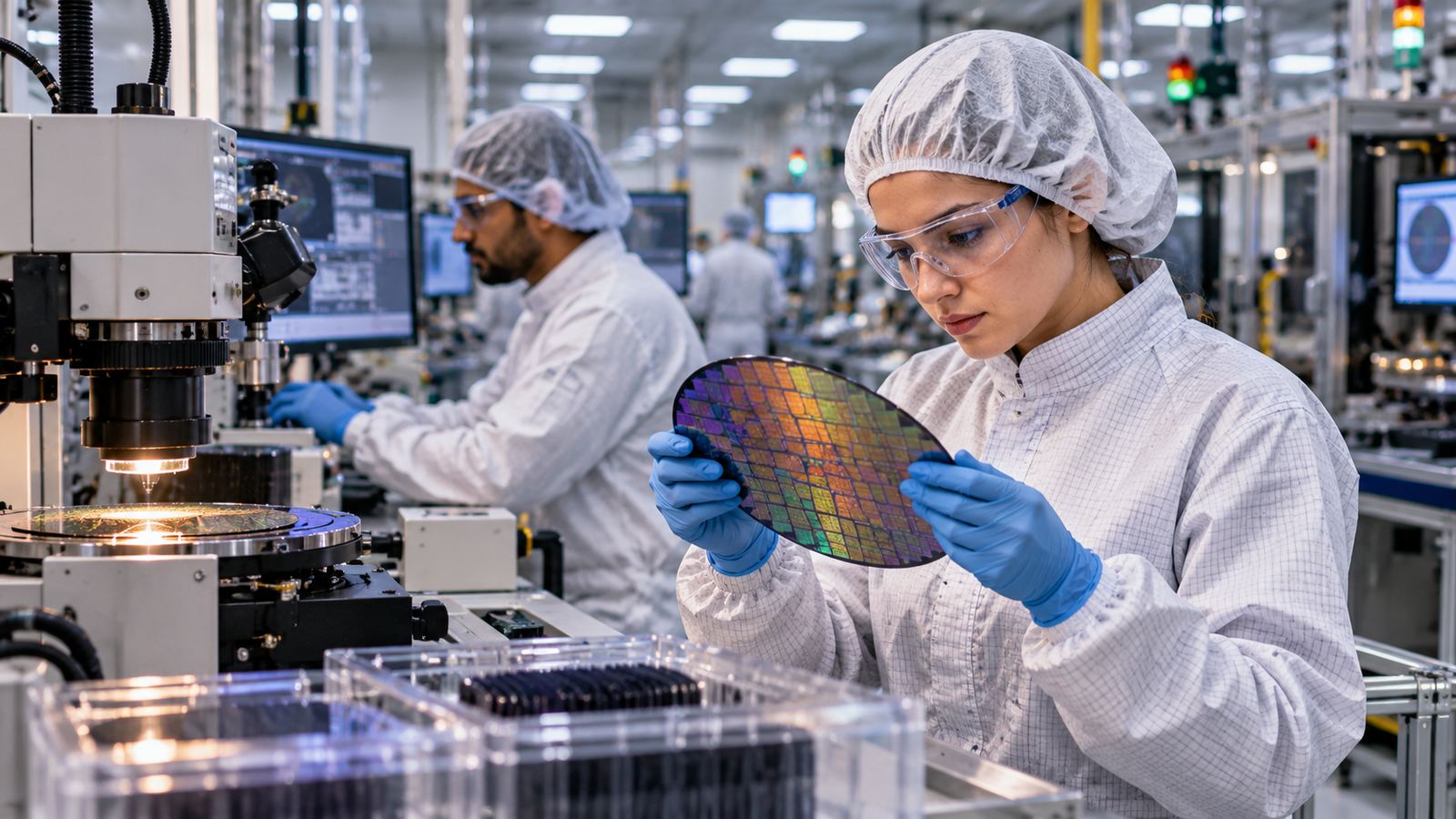
Image: BubblesEdiy photo library
Tamil Nadu's established automotive, electronics and engineering industries offer a foundation for expanding into more advanced manufacturing. Semiconductor technology presents an opportunity to build on those capabilities, but developing a competitive industry requires much more than constructing factories. Equipment, specialised workers, dependable utilities, research facilities and a network of suppliers are all essential.
The Government of India's India Semiconductor Mission supports efforts to develop domestic semiconductor manufacturing and related capabilities. Tamil Nadu's industrial clusters, technical institutions and existing electronics businesses could contribute to that wider effort. However, the presence of established manufacturing does not automatically translate into expertise across every stage of semiconductor production.
The industry includes several distinct activities. Chip design relies on engineering talent, software tools and computing infrastructure. Semiconductor fabrication requires specialised equipment, tightly controlled environments and substantial investment. Assembly, testing and packaging provide another part of the supply chain, with their own technical requirements and workforce needs. Each segment offers different opportunities for businesses and employees.
Developing the workforce is a central challenge. Universities, engineering colleges and industrial training institutes can help prepare technicians and engineers through practical instruction, laboratory experience and partnerships with employers. Companies also need suppliers capable of meeting demanding standards for quality, reliability and delivery. Access to water, electricity, transport and effective environmental management will influence whether facilities can operate competitively over time.
The measure of progress will ultimately be the capabilities that remain after investment announcements. Operating facilities, sustained employment, research activity and stronger local suppliers would indicate that Tamil Nadu is building a durable industrial ecosystem. Semiconductor development is a long-term undertaking, but investments in technical education, infrastructure and manufacturing expertise can also benefit the state's broader engineering economy.
Credits
- Image: BubblesEdiy photo library
- Written by BubblesEdiy News Desk, with AI assistance
About the Author
The BubblesEdiy News Desk byline is used for articles prepared and published by BubblesEdiy. Some articles are drafted with AI assistance and are labelled. Author profile
Related News

Tamil Nadu weather today: six cities (20 Oct 2026)
Today's forecast highs, lows and rain chances for six major cities in Tamil Nadu.
BubblesEdiy News Desk ·
Read more
New open-source software releases (20 Oct 2026)
1 well-known open-source projects published new versions in the last three days.
BubblesEdiy News Desk ·
Read more
Chennai air quality today (20 Oct 2026)
Chennai's air quality index is 25 (Good).
BubblesEdiy News Desk ·
Read more