Entertainment
Beyond the Screen: The People and Craft Behind Indian Cinema
A film's journey from script to screen depends on writers, performers, technicians and production teams whose work extends far beyond acting.
By BubblesEdiy News Desk · Published · Updated
Transparency: this article was written with AI assistance and published by BubblesEdiy. Found an error? See our Corrections Policy.
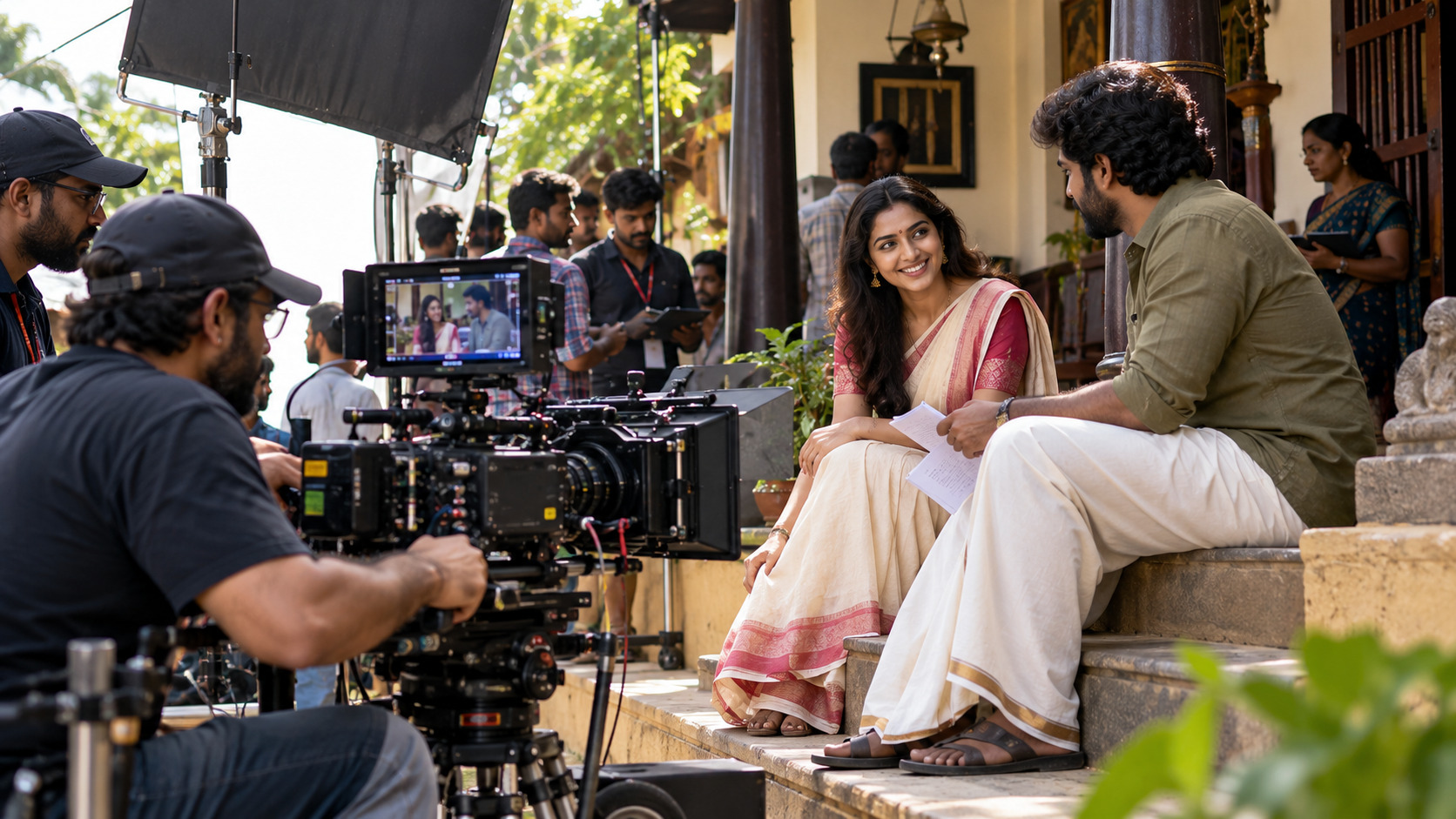
Image: BubblesEdiy photo library
When audiences watch a finished film, they see a carefully assembled story, not the hundreds of decisions that shaped it. A production brings together writers, actors, directors, cinematographers, editors, sound professionals, costume designers, production staff and many other specialists. Their work transforms a written idea into an experience that can be shared in cinemas, on television and through streaming services.
The process begins well before filming. Writers develop characters and structure, producers assess budgets and schedules, and directors work with department heads to establish the visual and dramatic approach. During production, camera placement, lighting, performance and sound recording must work together. Scenes may be filmed out of sequence, requiring actors and crew to maintain continuity across different locations and shooting days.
Post-production adds another layer of decisions. Editors shape the rhythm of the story, sound teams build an audible environment, and composers and musicians contribute to the emotional texture. Visual-effects artists may create elements that could not be captured directly on set. Each stage involves creative choices as well as practical limits involving time, equipment and budget.
India's film industries operate across many languages and regional traditions, including Tamil, Telugu, Malayalam, Kannada, Bengali and Hindi cinema. Their stories and production methods are diverse, and no single approach represents the entire industry. Distribution also shapes a film's reach, as theatrical releases, dubbing, subtitles and streaming availability influence which audiences can discover it.
Recognising the full production process offers a richer way to understand cinema. A memorable performance may attract attention, but it is supported by coordinated work across many disciplines. Sustainable filmmaking also depends on safe working conditions, fair professional practices and opportunities for emerging talent. The finished film is both an artistic work and the result of a complex collaboration.
Credits
- Image: BubblesEdiy photo library
- Written by BubblesEdiy News Desk, with AI assistance
About the Author
The BubblesEdiy News Desk byline is used for articles prepared and published by BubblesEdiy. Some articles are drafted with AI assistance and are labelled. Author profile
Related News
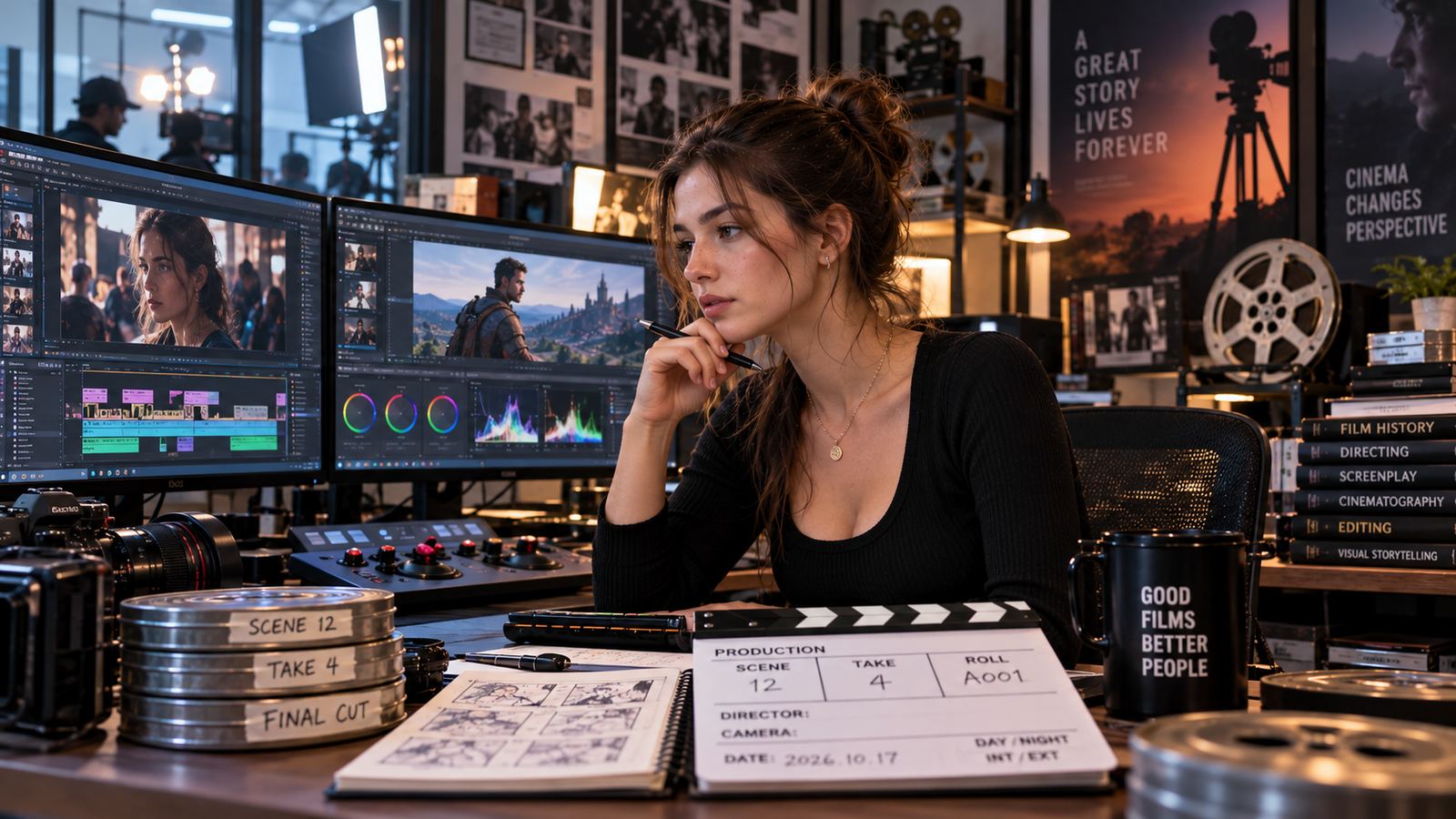
What Makes a Movie Memorable Long After the Credits Roll?
Memorable films combine storytelling, performances, cinematography, music and editing to create experiences that audiences continue to discuss long after watching.
BubblesEdiy News Desk ·
Read more
Beyond the Art Style: Why Anime Connects With Audiences Around the World
Anime's international appeal reflects its varied storytelling, distinctive visual language and the creative work behind Japanese animation.
BubblesEdiy News Desk ·
Read more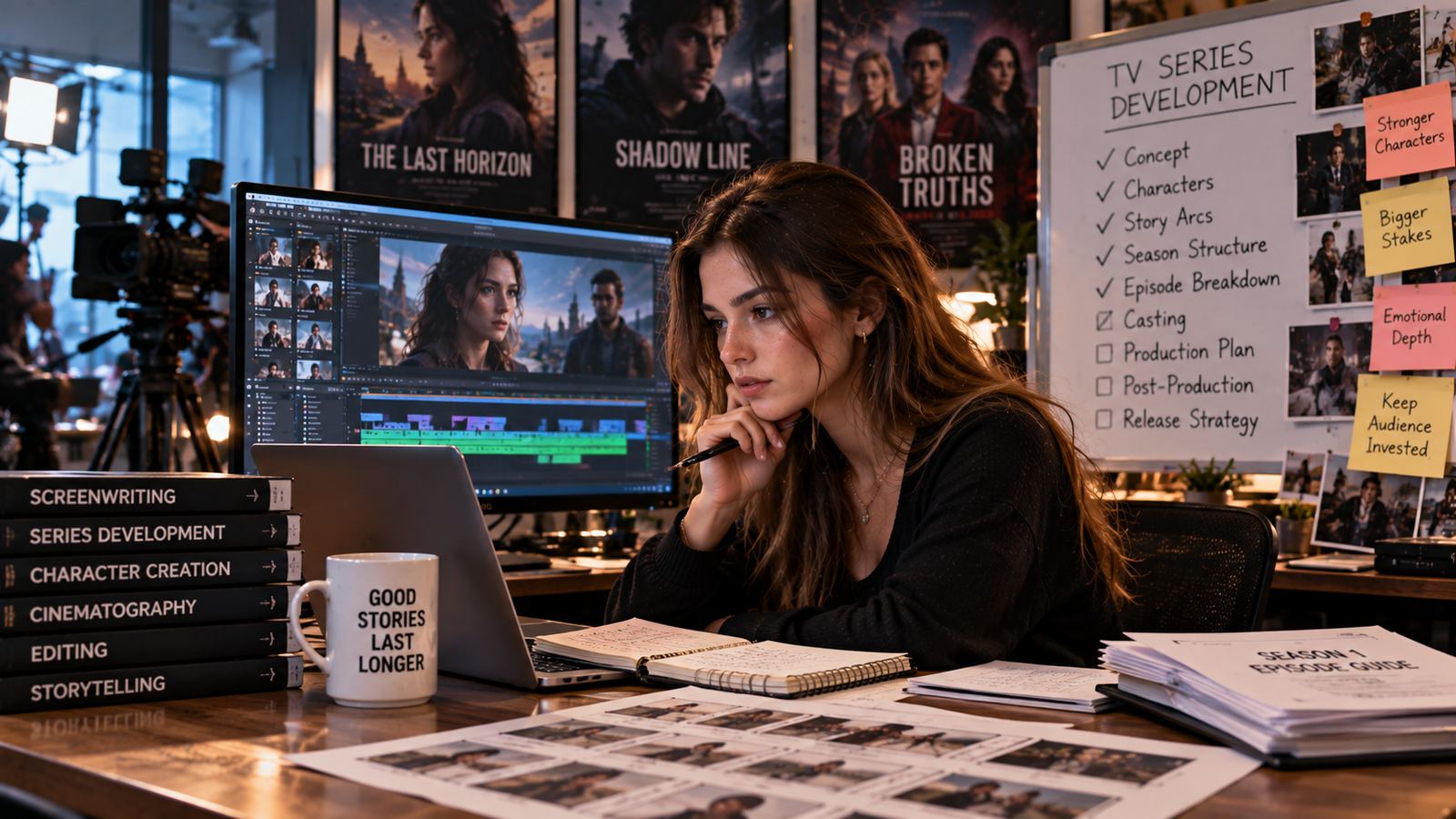
Why Great Television Series Keep Viewers Coming Back
Memorable television series combine character development, careful pacing and connected storylines to build audience interest across episodes and seasons.
BubblesEdiy News Desk ·
Read more