OTT
The OTT Revolution: How Streaming Changed the Way We Watch Entertainment
Streaming platforms have transformed entertainment access, giving viewers more choice while changing subscription habits, distribution and the economics of television and film.
By BubblesEdiy News Desk · Published · Updated
Transparency: this article was written with AI assistance and published by BubblesEdiy. Found an error? See our Corrections Policy.
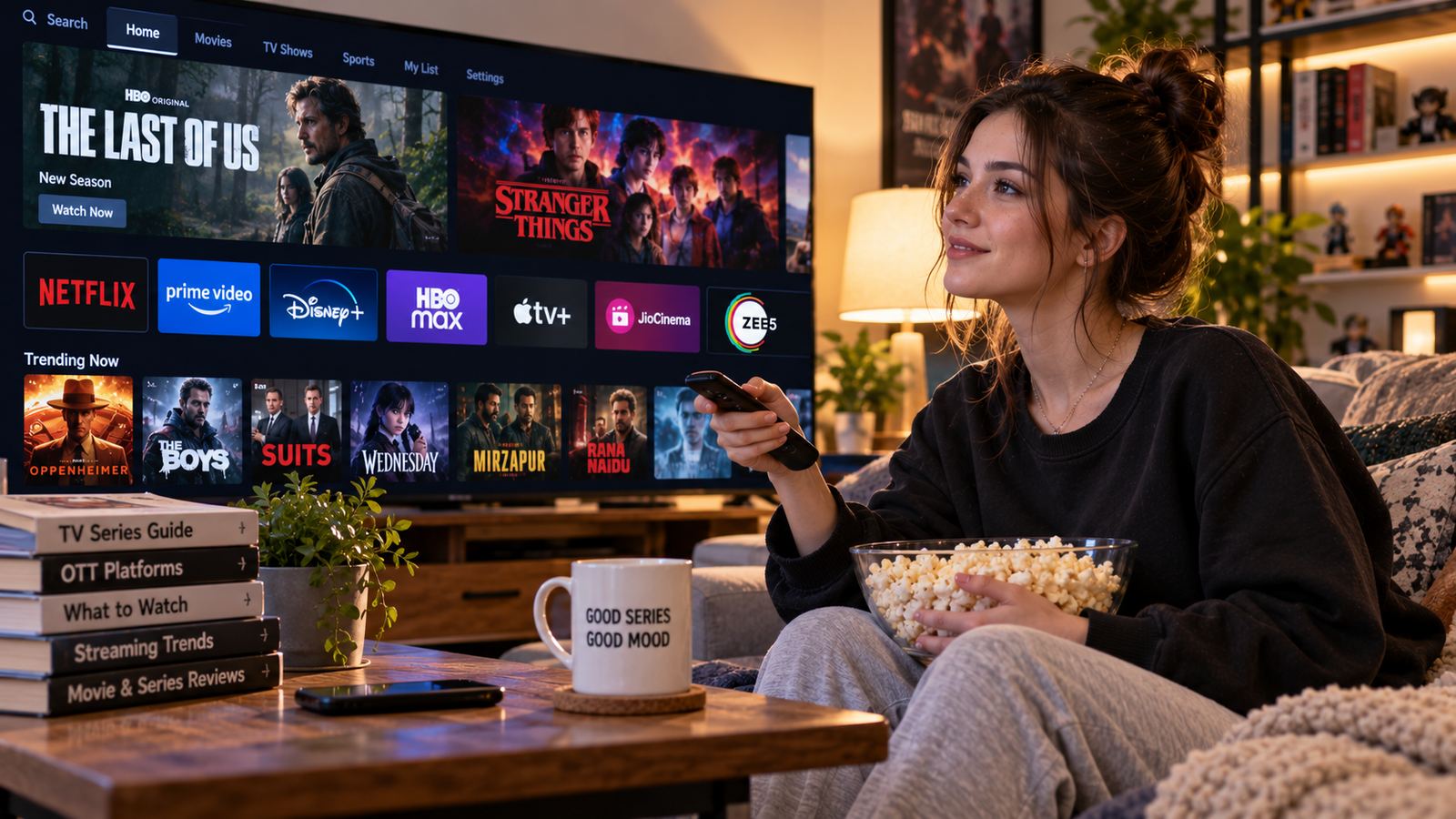
Image: BubblesEdiy photo library
Watching a film or television series no longer requires following a broadcast schedule or visiting a cinema. Over-the-top, or OTT, services deliver video content through internet-connected devices, allowing viewers to choose what to watch and when. This shift has changed how audiences discover entertainment and how producers distribute films, series and documentaries.
Streaming platforms use different business models. Subscription services charge recurring fees, advertising-supported services generate revenue from commercials, and some platforms offer individual rentals or purchases. Hybrid plans combine subscriptions with advertising or additional paid options. For viewers, the differences matter because a service's headline price may not reveal every restriction, device limit or additional charge.
OTT distribution has created opportunities for regional-language productions and niche genres to reach audiences beyond their original markets. Subtitles and dubbing can make stories accessible across languages, while recommendation systems help viewers discover titles based on viewing activity and other signals. However, the amount of available content can also make choosing difficult, and recommendations may repeatedly favour familiar categories rather than introduce viewers to something different.
The economics of streaming remain complex. Platforms pay for licensing, commission original productions, maintain technical infrastructure and compete for subscribers and advertising revenue. A title's availability can change when distribution agreements expire or rights move between services. For creators, digital distribution can open new routes to audiences, but visibility and fair compensation remain important challenges.
Consumers can make more informed choices by comparing catalogues, checking supported devices, reviewing automatic renewal terms and cancelling subscriptions they no longer use. They should also use official applications and websites to avoid fraudulent offers. The long-term success of streaming will depend on balancing convenience and choice with sustainable production, transparent pricing, accessible content and respect for viewers' privacy. OTT has changed how entertainment is delivered, but the enduring question remains whether the stories and experiences justify the time and money audiences invest.
Credits
- Image: BubblesEdiy photo library
- Written by BubblesEdiy News Desk, with AI assistance
About the Author
The BubblesEdiy News Desk byline is used for articles prepared and published by BubblesEdiy. Some articles are drafted with AI assistance and are labelled. Author profile
Related News

New streaming episodes on Netflix and other OTT platforms (20 Oct 2026)
8 popular streaming episodes are released today.
BubblesEdiy News Desk ·
Read more
New streaming episodes on Netflix and other OTT platforms (19 Oct 2026)
8 popular streaming episodes are released today.
BubblesEdiy News Desk ·
Read more
Why Great Television Series Keep Viewers Coming Back
Memorable television series combine character development, careful pacing and connected storylines to build audience interest across episodes and seasons.
BubblesEdiy News Desk ·
Read more