India
India's Digital Public Infrastructure: How Everyday Services Are Changing
From instant payments to digital documents, India's public digital infrastructure is changing how people access services, conduct business and manage daily life.
By BubblesEdiy News Desk · Published · Updated
Transparency: this article was written with AI assistance and published by BubblesEdiy. Found an error? See our Corrections Policy.
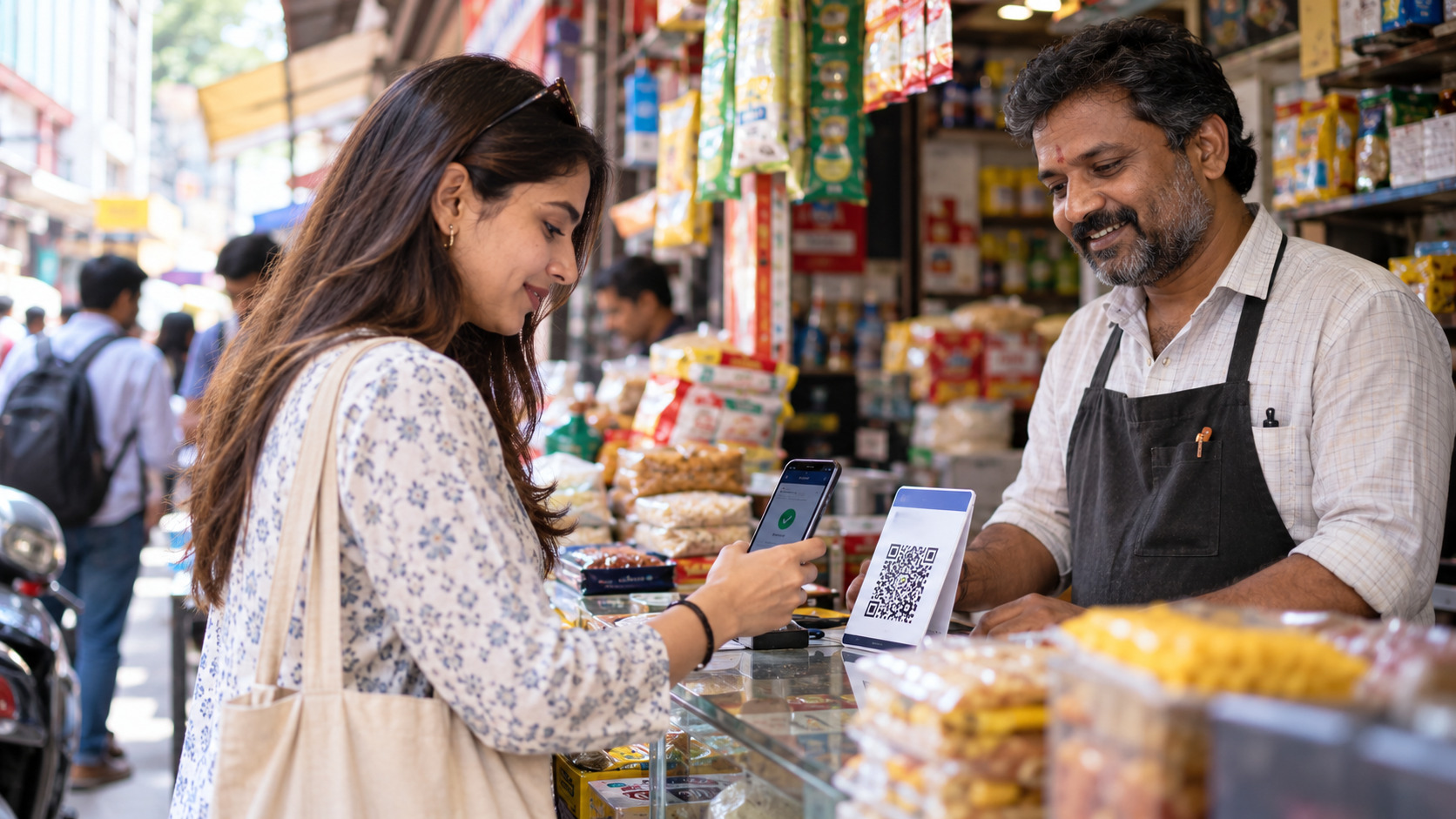
Image: BubblesEdiy photo library
Digital technology has changed how millions of people in India transfer money, access documents and interact with services. Systems such as the Unified Payments Interface, Aadhaar and DigiLocker illustrate how digital infrastructure can connect individuals, businesses and public institutions. Their long-term significance lies not only in convenience, but also in how reliably and safely people can use them.
The National Payments Corporation of India operates UPI, which enables participating banks and payment applications to facilitate instant payments. The system supports transactions ranging from small purchases at neighbourhood shops to transfers between individuals. DigiLocker, an initiative associated with the Ministry of Electronics and Information Technology, allows users to access and share eligible digital documents. Aadhaar, administered by the Unique Identification Authority of India, provides identity-related services under established rules.
These systems address different needs and should not be treated as interchangeable. Digital payments move money, digital document services help users access records, and identity systems support specified verification purposes. Understanding these distinctions helps citizens choose appropriate services and recognise misleading claims about what a particular platform can do.
The benefits of digital access are accompanied by practical challenges. Poor connectivity, limited digital literacy, accessibility barriers and language differences can make online services difficult to use. Fraudsters may also exploit unfamiliarity with payment applications through impersonation, deceptive links and requests for authentication codes. Users should verify payment details, protect credentials and consult official support channels when something appears suspicious.
The future of India's digital infrastructure will depend on trust as much as adoption. Reliable systems need strong security, responsible handling of personal information and accessible ways to resolve errors. Offline alternatives remain important for people who cannot consistently access digital services. When convenience is matched by inclusion, accountability and clear safeguards, digital infrastructure can become a more dependable part of everyday public and economic life.
Credits
- Image: BubblesEdiy photo library
- Written by BubblesEdiy News Desk, with AI assistance
About the Author
The BubblesEdiy News Desk byline is used for articles prepared and published by BubblesEdiy. Some articles are drafted with AI assistance and are labelled. Author profile
Related News

AI Agents Are Moving Beyond Chatbots, but Reliability Remains the Test
AI agents can plan and execute multistep digital tasks, but dependable automation requires clear permissions, verification and human oversight.
BubblesEdiy News Desk ·
Read more
New open-source software releases (20 Oct 2026)
1 well-known open-source projects published new versions in the last three days.
BubblesEdiy News Desk ·
Read more
Chennai air quality today (20 Oct 2026)
Chennai's air quality index is 25 (Good).
BubblesEdiy News Desk ·
Read more